
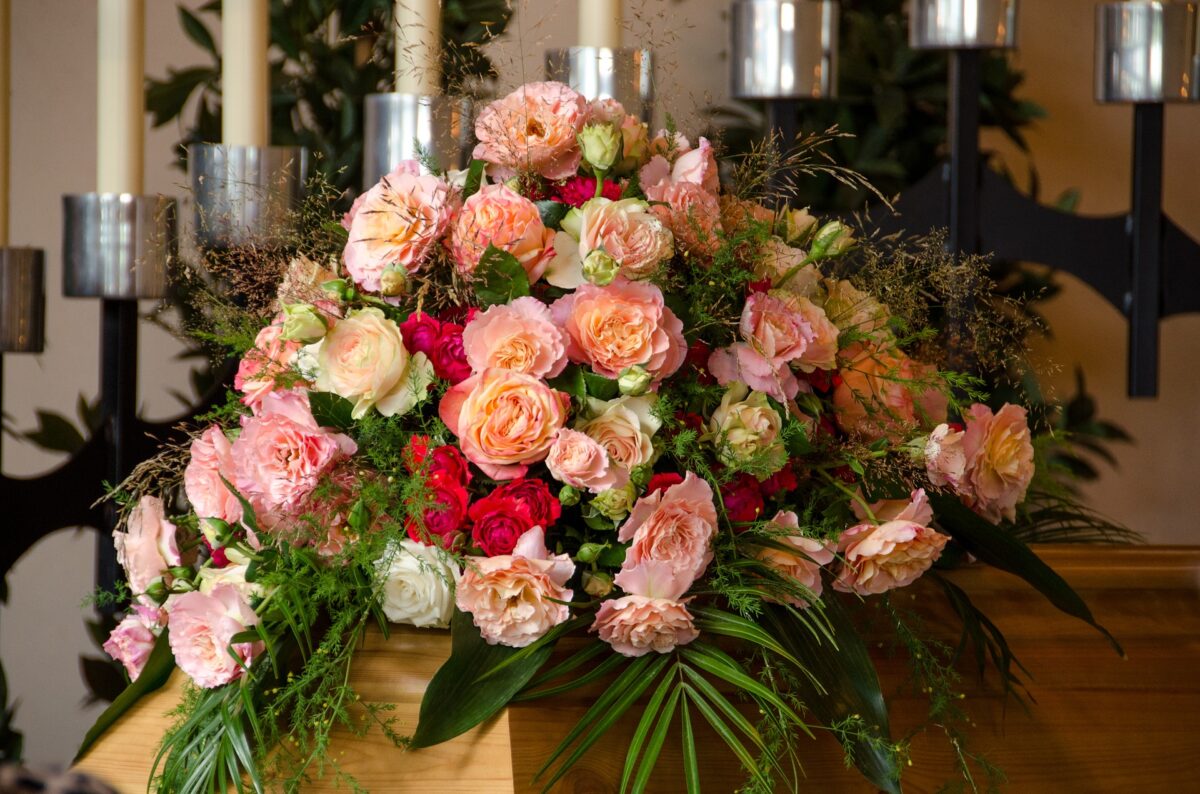
With more and more people opting for a direct cremation rather than an attended funeral service, it begs the question: Do we still need funerals?
Daytime TV is flooded with adverts for direct cremations at the moment. They highlight their affordable rates and the fact you’re saving your family the stress of making decisions at a difficult time. But that act of arranging a funeral service for someone you love is part of the grieving process, it celebrates a cherished life, it brings people together, and many families find it surprisingly cathartic.
Here’s my rationale why celebrating the life of a loved one matters.
A funeral service gives people the opportunity to say goodbye
If we think about who a funeral service is for, it’s for those left behind rather than the person who has died. So let those who will be missing you decide how they want to say goodbye. And if they don’t want to face it until after you’ve died, that’s fine. There are professionals to guide them through the options when the time comes.
We often hear how ‘closure’ is so important for certain aspects of our lives, especially after distressing situations, and rituals can help with giving space for closure. A funeral is the ritual that has developed over centuries so we can say goodbye; a formal ceremony to mark the passing of a loved one. It can draw a line under a period of grieving and gives permission for people to move on when they are ready.
Saying goodbye at a funeral might mean collectively saying farewell through the words of the celebrant. Or it might mean you personally saying goodbye in the form of giving a tribute, sharing a poem, or going up to the casket at the end of the service. You might prefer to quietly say goodbye in your head during the committal and, whatever way works for you, you’ve had that chance to bid them farewell.

Funerals honour the life of the person who has died
Each of us leads a unique life which is significant in its own way. And a funeral ceremony provides the opportunity to honour the different roles the person held throughout their life. This could be as a cherished family member, a parent and grandparent, a colleague, a team mate, a neighbour and friend.
It’s also about honouring the person’s contributions to humanity and society, however big or small. A wise gentleman once told me that ‘the world needs foot soldiers as well as majors’. These contributions to society come in many guises including having children to continue the family line or working hard in a skilled job. It may come through voluntary work and being active in the local community, or through friendship, care and joy brought to others.
Taking time to remember the person throughout their whole life, not just in recent times, honours all that their life meant and the legacies they leave.
A funeral service creates space for sharing memories
However well you know someone, you usually learn something new about them after they have died. Different family members and friends will all have different memories, sometimes of the same event, and we all remember people in different ways.
A funeral or memorial gives time for people to join together to share memories. These can be part of the formal ceremony with the celebrant sharing memories that have been relayed to them beforehand, or close family and friends sharing their own memories. I always encourage people to pick out a few anecdotes that really bring out the character of the person being remembered which usually includes a few laughs.
Often people remember the person who has died as they were at the end. But talking about their childhood years, what they were like as a young mum or dad, family holidays, and their passions in life, brings back all sorts of memories that may otherwise lay forgotten.
This time spent remembering the good times, and the hard ones, can be cathartic too. It helps release some of the emotions and anxiety and keeps the connection to the person going. And it can bring happy memories to mind rather than focusing on the sad ones.
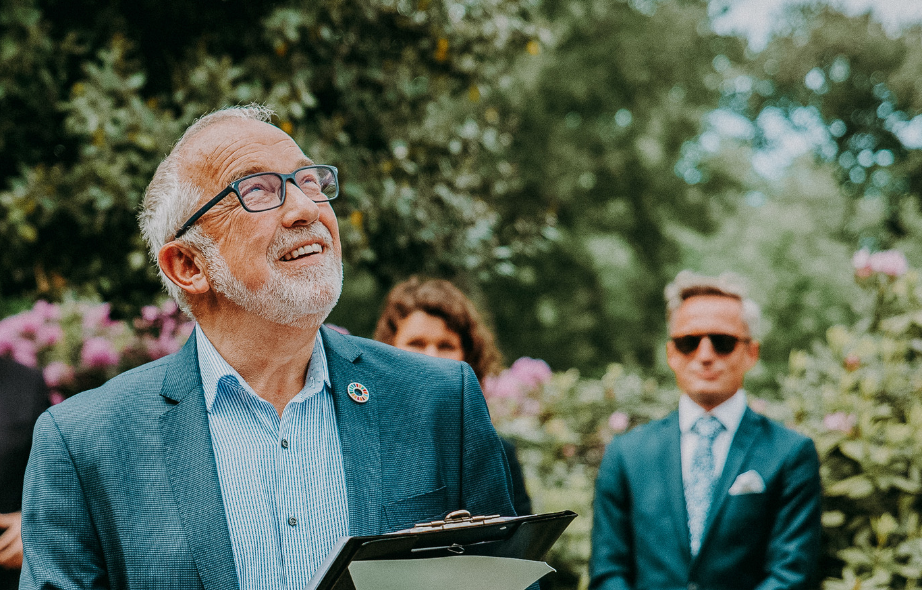
Funerals bring a community together
Whether your ‘community’ is your family, your sports club, your friendship group, or your work colleagues, a funeral to remember the person who has died brings you together. And it’s often your community that gives you strength on the difficult days. You know they are with you, supporting you and that sense that ‘we’re all in this together’ helps you feel less alone.
Most of us have a need for connection, and during our busy lives the communities that provide those connections can fall into the background. A funeral helps bring those connections to the fore once again, and sometimes it can make your community stronger. After my own dad died, it brought our family even closer than we were before, and 12 years on we’re still as close, maybe even more so.
So, we do still need funerals? I believe we do, and hopefully I’ve convinced you too!
But does it need to be a funeral?
Not necessarily. You could arrange a direct cremation, there is certainly a place for these, and then a memorial service or celebration of life.
These can be full of stories, music and tributes for the person being remembered but without the formality, or time constraints, of a crematorium. What matters is that those left behind are able to join together to say goodbye. To have a dedicated time and space to remember and celebrate their loved one. It helps to let go, to accept the loss, and rebuild connections within our communities, all of which will make those left behind feel that bit better. So, doing something is certainly better than nothing.
If you’d like to talk about planning your own funeral, then drop me a line at stephanie@silverbeeceremonies.co.uk and I can send you my ‘Funeral Wishes’ form to get you started.
Or if you want to arrange a memorial service for someone special to you, check out my blog ‘Arranging a Memorial Service’ for some pointers. Or read more about Humanist Funerals and Memorials on the Humanists UK website.